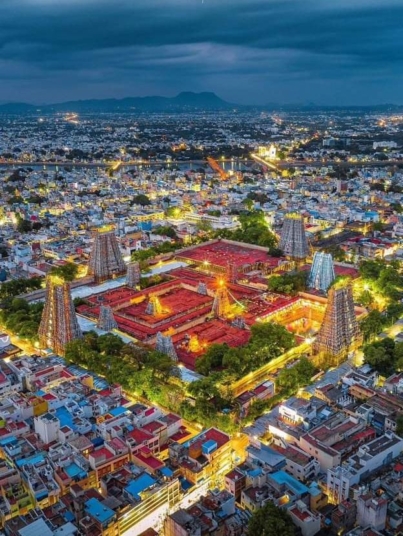
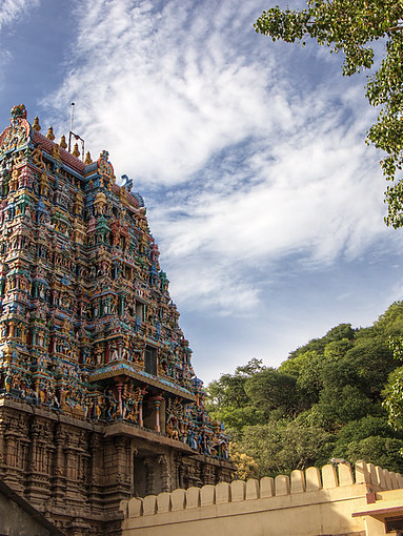
“Where Legends Rise from the Sacred Hill”

Thiruparankundram

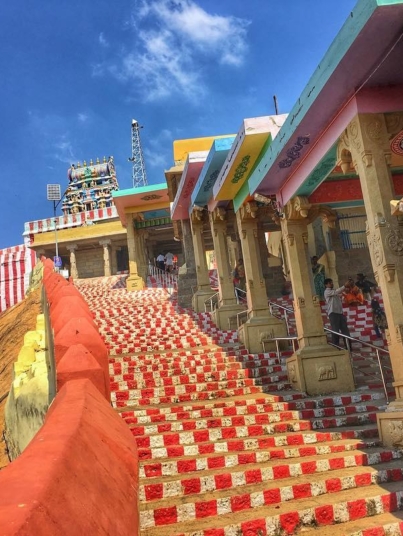
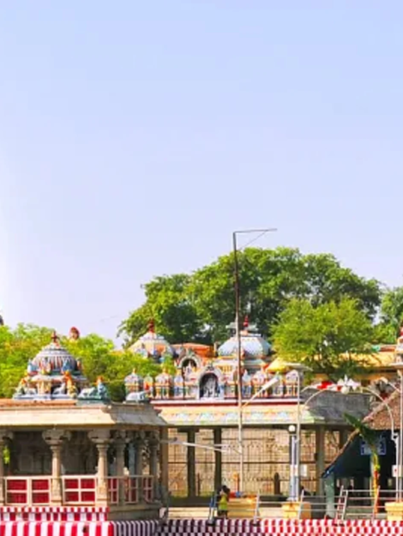
Perched atop a hill near Madurai,

the Subramaniya Swamy Temple is one of the six sacred abodes of Lord Murugan, known as Arupadaiveedu.

Believed to have been established by the Pandya dynasty during the 6th century, this rock-cut temple is renowned for its architectural grandeur and spiritual significance. The temple’s sanctum, carved directly into the hill, houses the presiding deity, Lord Murugan, and is a testament to ancient engineering marvels. Devotees flock here to seek blessings and to witness the confluence of divine energy and natural beauty.

The Pandya Legacy and Rock-Cut Marvels

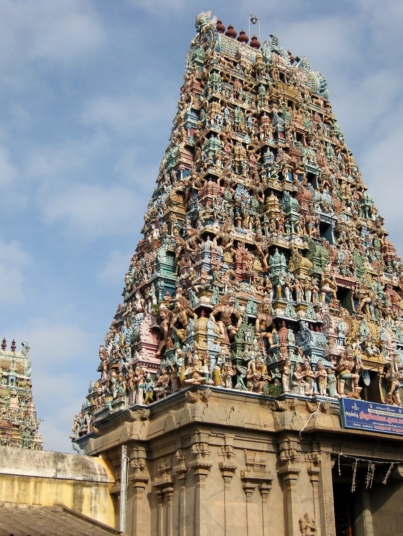
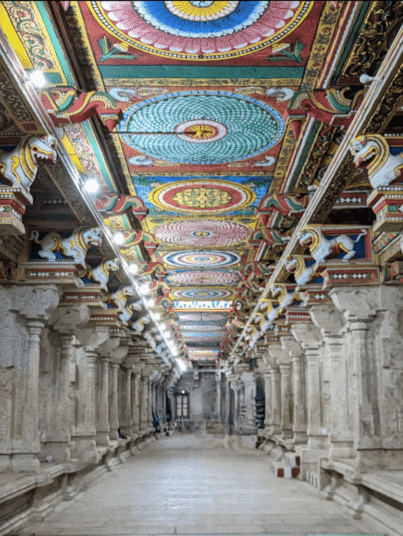
Thiruparankundram Temple, one of the six abodes of Lord Murugan, stands as a breathtaking fusion of nature and devotion. Carved directly into the hill during the Pandya reign in the 6th century CE, it represents one of the earliest and finest examples of rock-cut architecture in South India. Unlike many temples built on open land, this sanctum embraces the living hill itself, its innermost shrine carved from the heart of stone. Every corridor and chamber resonates with the artistry of ancient sculptors who transformed the rugged rock into a sacred sanctuary. Later rulers, especially the Nayaks, further enriched the site by adding grand mandapams, towering pillars, and intricately detailed halls that blend seamlessly with the original Pandya design. Today, it is not just a monument of faith but also a living museum of architectural evolution.

The Divine Wedding of Murugan and Deivanai

Legend weaves its magic within these walls. According to mythology, after defeating the demon Surapadman, Lord Murugan chose Thiruparankundram as the sacred ground to wed Deivanai, the daughter of Indra, king of the gods. This divine wedding was no ordinary ceremony—it symbolized the triumph of good over evil and the unity of cosmic forces, with the entire pantheon of deities said to have attended. Even today, devotees, particularly those seeking blessings for marriage, come here with deep faith that Murugan bestows harmony and stability on their unions. The temple thus continues to echo with the divine promise of love, victory, and balance.

Sacred Carvings and Hilltop Views

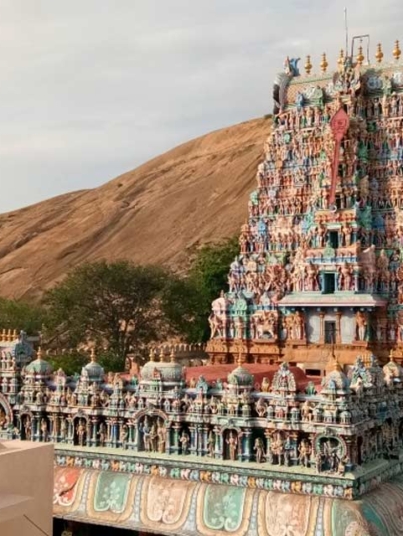
Walking through the temple is like stepping into a storybook of stone. The walls and pillars are adorned with sculptures of gods, demons, and celestial beings, each narrating episodes from Murugan’s life and larger Hindu mythology. Every carving invites contemplation, offering both spiritual meaning and artistic wonder. Once outside, the hilltop provides a panoramic sweep of Madurai’s plains, dotted with temples and greenery. At sunset, the experience turns ethereal—the golden light bathes the rocky outcrop while the rhythmic sound of temple bells mingles with the cries of peacocks, long regarded as Murugan’s sacred companions.

Festivals that Bring the Temple Alive

During these times, the temple becomes a confluence of faith, culture, and community, with thousands of devotees gathering to witness the spectacle.

When to Plan Your Pilgrimage to Thiruparankundram

The temple welcomes pilgrims throughout the year, but the cooler months from October to March are ideal for comfortable visits. Festival periods, though crowded, reveal the temple in its most vibrant and spiritually charged form, offering a once-in-a-lifetime experience of devotion and celebration. For those seeking a quieter, contemplative journey, weekday mornings provide a serene atmosphere where the temple’s sacred energy can be absorbed in peace.

Related Posts

fb76d3ece5b52c30e81728de0d810b9a

Legends of Madurai Meenakshi

“Where Divinity Meets Royal Legend” Madurai Meenakshi Amman Temple The Soul of Madurai: 2000 Years of History The Meenakshi Amman Temple is not just a landmark — it is the beating heart of Madurai. With a legacy that stretches back over two ...
Shopping Basket